
BigCommerce SEO and Performance Optimization for Ecommerce
A storefront nobody finds is an expensive brochure. Slow page loads, broken crawl architecture, and thin product content push BigCommerce stores down search results losing organic traffic, buyers, and revenue every day. In 2026, Google AI Overviews appear on 14% of all shopping queries, up 5.6x in four months. Brands cited in those AI Overviews see 35% more organic clicks. Brands not cited become invisible before a buyer ever reaches the blue links.
Codinative is a BigCommerce SEO agency that optimizes storefront performance, Core Web Vitals, technical SEO architecture, and Generative Engine Optimization (GEO) signals — so BigCommerce stores rank in Google and Bing, get cited in AI Overviews, appear in ChatGPT Search, Perplexity, and Gemini, and turn organic traffic into revenue.
What BigCommerce SEO & Performance Optimization Includes
BigCommerce SEO services in 2026 require fixes across technical architecture, content structure, frontend performance, and AI citation signals not isolated tweaks applied to one layer while the others stay broken.
BigCommerce Core Web Vitals Optimization
- Google uses Core Web Vitals as a direct ranking signal. Optimizing LCP below 2.5s, INP below 200ms, and CLS below 0.1 on BigCommerce product and category pages passes Google's Page Experience thresholds improving rankings, mobile usability, and conversion rates. A one-second load time improvement lifts ecommerce conversions by up to 7%.
BigCommerce Technical SEO
- Technical SEO controls whether Google crawls and indexes every revenue-generating page. Work covers crawl budget allocation, canonical tags across faceted navigation, XML sitemap, robots.txt, broken internal link repair, URL structure, and pagination signals audited through Google Search Console, Screaming Frog, and Bing Webmaster Tools.
Product & Category Page Optimization
- Product and category pages drive the majority of organic ecommerce traffic but most underperform their ranking potential. Optimization covers H1/H2 hierarchy, unique meta titles and descriptions per template, keyword-targeted product descriptions, JSON-LD Breadcrumb schema, and faceted navigation control to prevent crawl traps and duplicate index bloat.
Site Speed & Frontend Performance
- Performance optimization targets every element adding load time WebP and AVIF image delivery, lazy loading, elimination of render-blocking JavaScript and CSS, critical CSS inlining, third-party script auditing via Google Tag Manager, and CDN configuration. Each fix lowers LCP, reduces INP, stabilizes CLS, and increases AI Overview citation probability.
Why Do SEO and Performance Matter for BigCommerce Stores?
Search visibility and page speed control how much organic traffic a BigCommerce store receives and how much of that traffic completes a purchase.
Many BigCommerce stores struggle with:
- Slow pages failing LCP thresholds losing Google rankings through the Page Experience signal and getting excluded from AI Overview citations simultaneously
- Poor mobile performance failing INP and CLS Google's mobile-first indexing means the mobile version determines rankings for all devices
- Weak category architecture wasting crawl budget on filtered URLs product pages stay unindexed for the commercial queries that drive purchase-ready traffic
- Thin or duplicated product content giving Google no ranking reason and AI Overviews no citation reason the same deficiency that hurts both traditional SEO and AI search visibility
- Incorrectly canonicalized pages from faceted navigation splitting ranking signals across near-duplicate URLs that should never appear in Google's index
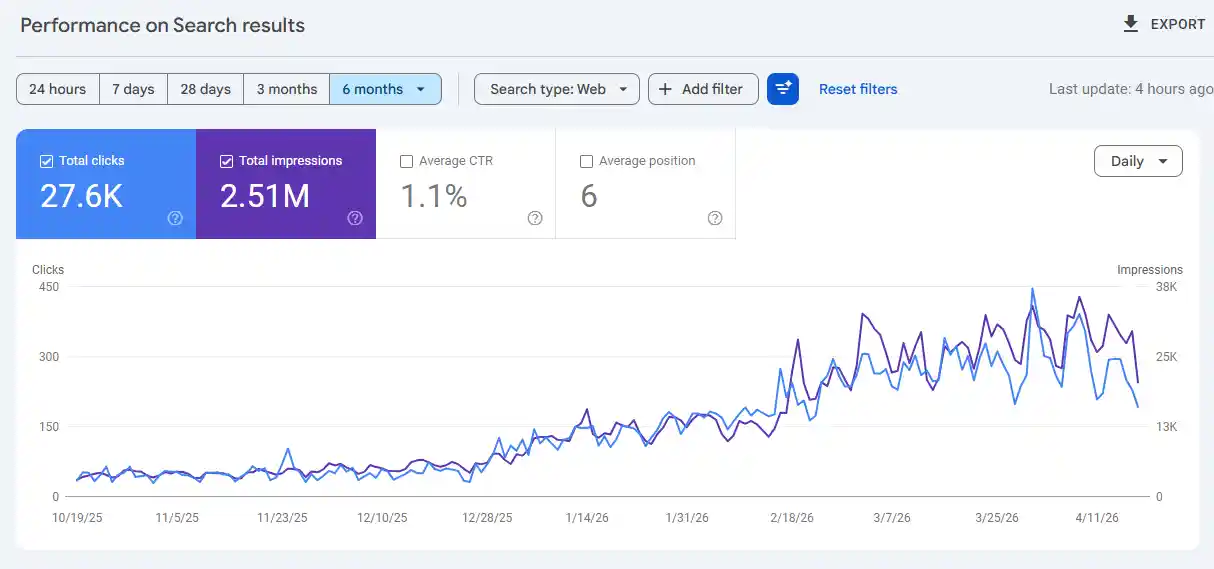
- Product and category pages passing all three Core Web Vitals LCP under 2.5s, INP under 200ms, CLS under 0.1 maintaining ranking stability and increasing AI Overview citation eligibility
- Technical SEO architecture directing crawl budget to revenue-generating pages not filtered URLs, pagination duplicates, or thin CMS pages with no commercial ranking value
- JSON-LD structured data for Product, Breadcrumb, Review, and Organization schema earning Google rich results while signaling entity-rich content that AI Overviews extract and cite
- GEO content structure direct answers, named entities, and citation-ready statements that Google AI Overviews, ChatGPT Search, Perplexity, and Gemini extract for commercial ecommerce queries
- E-E-A-T signal strengthening across product and category content Experience, Expertise, Authoritativeness, and Trustworthiness signals Google Quality Raters use to assess commercial page quality
BigCommerce SEO Technology Stack
Effective BigCommerce SEO services require platform-level expertise not general SEO tactics applied to a platform the practitioner does not know deeply.
BigCommerce Stencil Framework
Stencil controls storefront templates, page structure, and asset delivery. SEO within Stencil covers Handlebars.js template refinement for clean meta tag rendering, noindex control for faceted navigation, SCSS and JavaScript optimization for Core Web Vitals, and WebP image handling ensuring Google receives fast, crawlable HTML on every request.
BigCommerce Catalyst (Composable Storefront)
Catalyst delivers 100 Google Lighthouse scores through server-side rendering with Next.js and React Server Components Googlebot and AI crawlers receive fully rendered HTML, not a JavaScript shell. SEO for Catalyst covers maintaining scores as customization is added, configuring dynamic metadata, and leveraging ISR for efficient page revalidation.
Headless BigCommerce Architecture
Headless storefronts on Next.js and the GraphQL Storefront API give full control over SEO and GEO server-side rendered content, programmatic JSON-LD injection, next/image optimization, and prerendering strategies ensuring Googlebot indexes complete pages. Headless SEO requires precise hydration mode, prerendering strategy, and URL routing to avoid crawlability gaps.
BigCommerce GraphQL Storefront API
The GraphQL Storefront API retrieves product data, category listings, and search results for storefront pages. Optimizing query structure reduces payload size, improves TTFB, and ensures pages render with complete product data that Google's indexing and AI Overview generation need. Unoptimized GraphQL queries are a primary cause of high TTFB and degraded LCP on BigCommerce stores.
BigCommerce SEO Services for Ecommerce Revenue Growth
Organic search in 2026 runs on two parallel tracks. Traditional Google rankings deliver blue-link traffic. AI citation delivers buyers through Google AI Overviews, ChatGPT Search, and Perplexity with AI-referred visitors converting at 4.4x the rate of standard organic traffic.
BigCommerce SEO improvements that build both tracks:
- Slow pages failing LCP thresholds losing Google rankings through the Page Experience signal and getting excluded from AI Overview citations simultaneously
- Poor mobile performance failing INP and CLS Google's mobile-first indexing means the mobile version determines rankings for all devices
- Weak category architecture wasting crawl budget on filtered URLs product pages stay unindexed for the commercial queries that drive purchase-ready traffic
- Thin or duplicated product content giving Google no ranking reason and AI Overviews no citation reason the same deficiency that hurts both traditional SEO and AI search visibility
- Incorrectly canonicalized pages from faceted navigation splitting ranking signals across near-duplicate URLs that should never appear in Google's index
BigCommerce Maintenance & Engineering Support
BigCommerce B2B Ecommerce Development
Talk With Expert
+123 456 789 10
info@codinative.com
BigCommerce SEO Optimization Process
SEO Audit
We build a full baseline using Google Search Console, PageSpeed Insights, Bing Webmaster Tools, Screaming Frog, and Ahrefs measuring Core Web Vitals on product, category, and CMS templates, mapping crawl errors, canonical issues, and keyword rankings. AI citation eligibility is assessed against GEO best practices. Every fix is prioritized by ranking impact and AI citation opportunity.
Technical Optimization
Fixes are implemented inside Stencil templates, Catalyst components, or headless frontend architecture covering Core Web Vitals, canonical tags, XML sitemap, robots.txt, crawl budget, JSON-LD structured data for Product, Breadcrumb, Review, and Organization schema, WebP/AVIF delivery, critical CSS inlining, render-blocking elimination, and CDN configuration.
Continuous Improvement
Rankings, organic traffic, Core Web Vitals, crawl health, structured data validity, and AI Overview citation frequency are tracked monthly through Google Search Console, Google Analytics 4, and Bing Webmaster Tools. Every Google algorithm update is assessed before it becomes a traffic decline. Monthly reporting covers keyword movement, organic traffic by landing page, AI citation appearances, and conversion rate from organic sessions.